Buyer's Guide: Ball Joints
5 min read
RideBuilder
Ball Joint Buyer's Guide
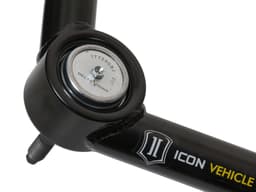
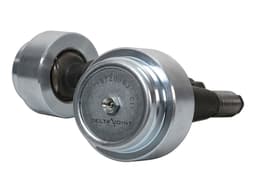
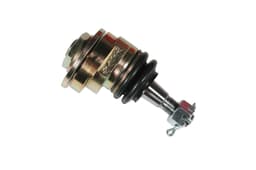
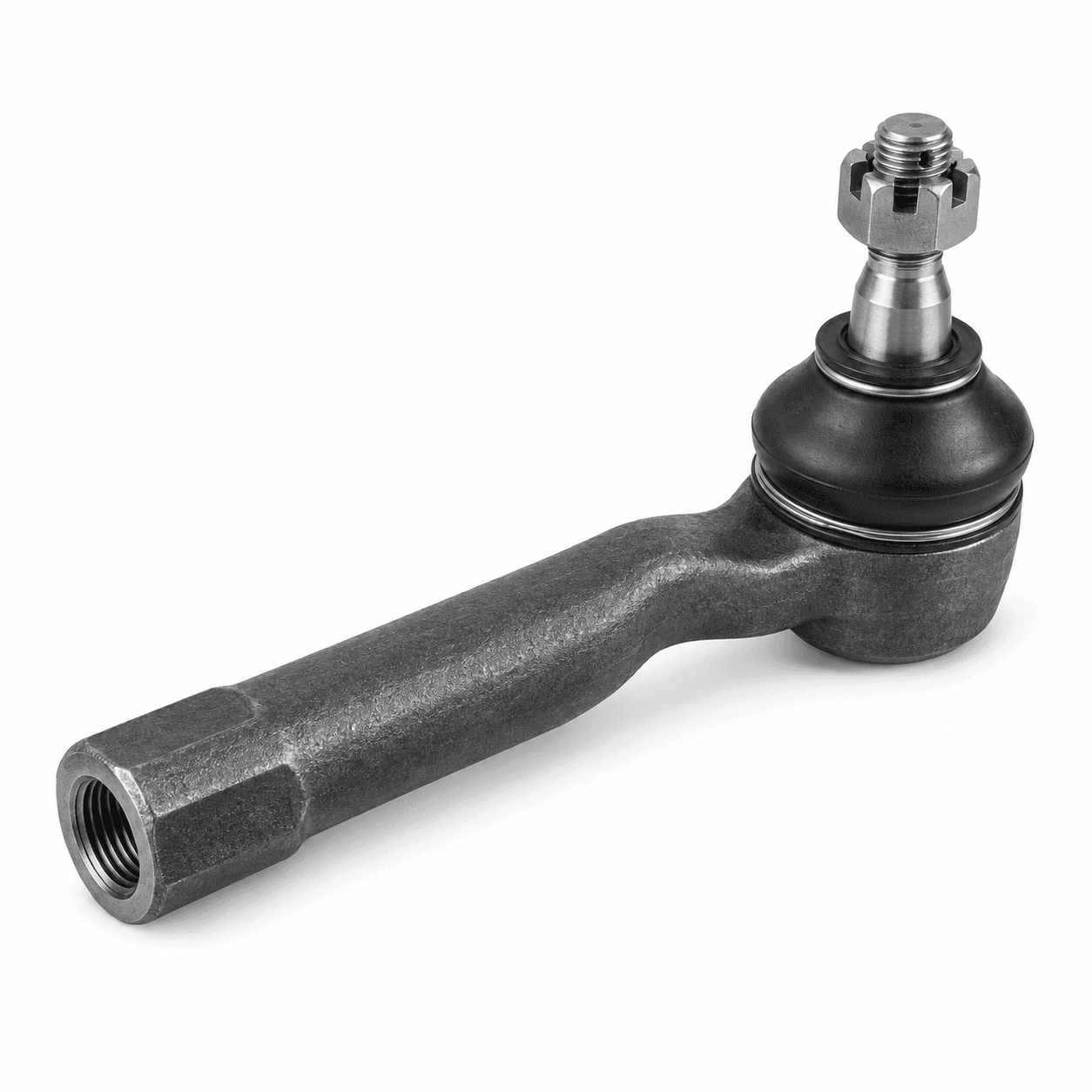
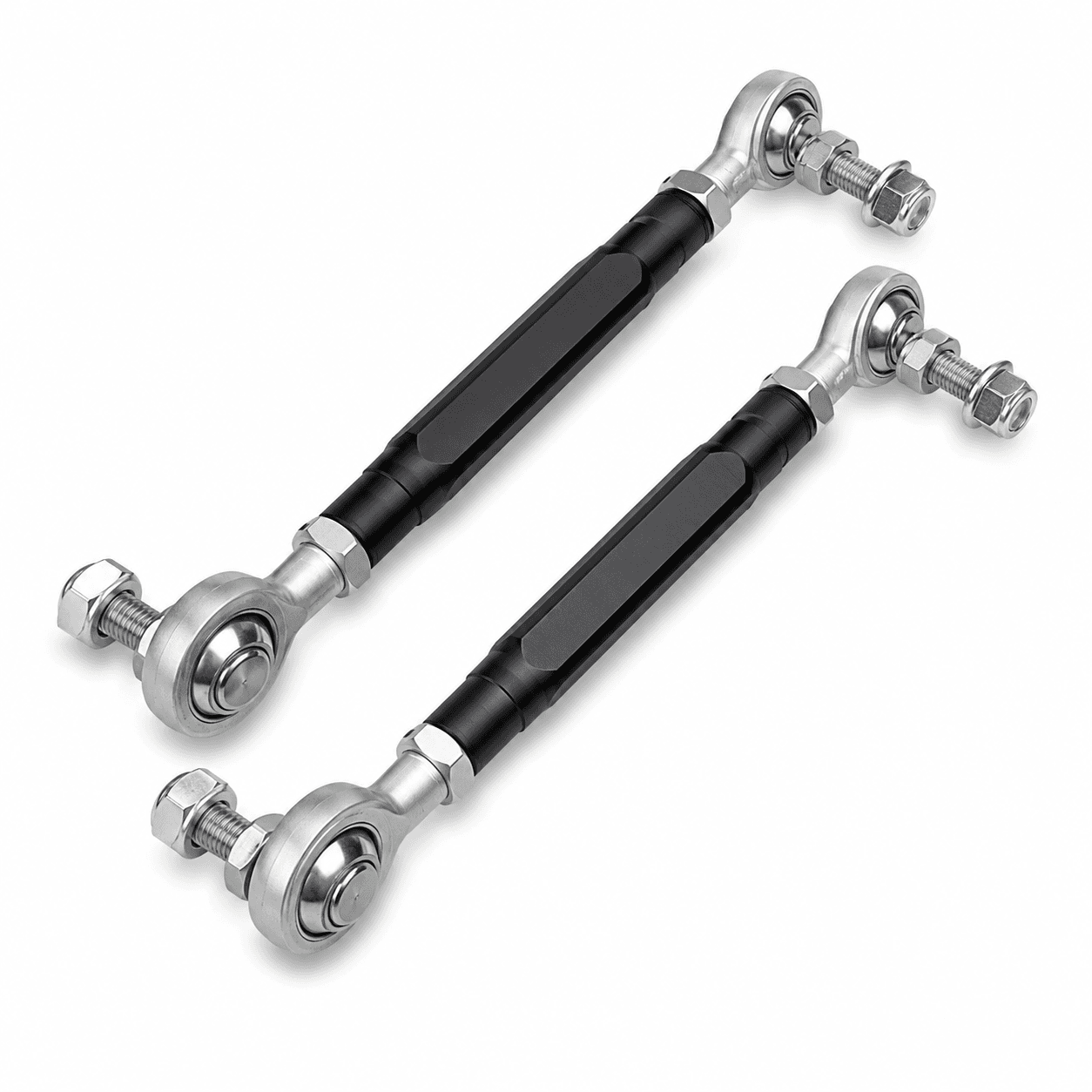
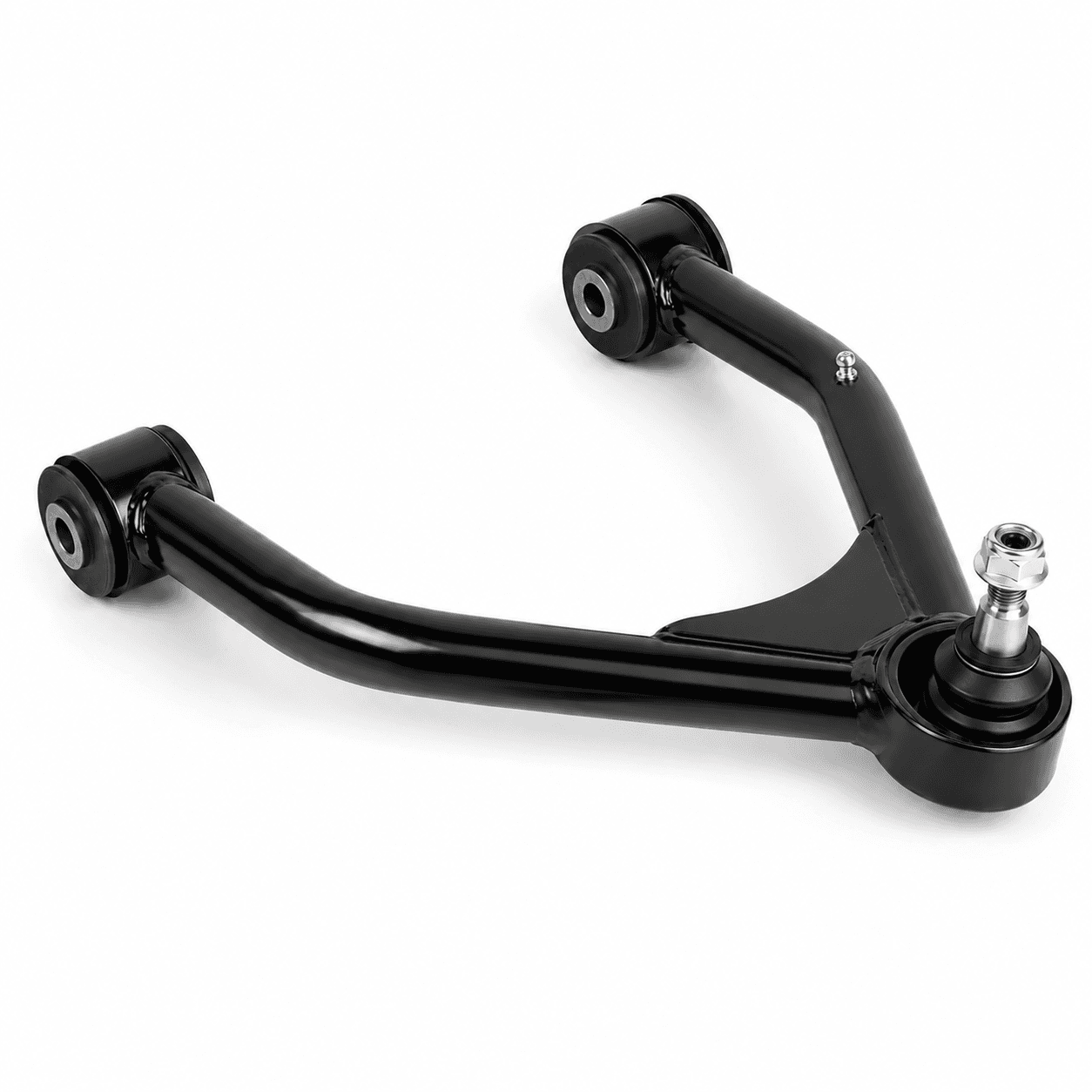
Ball joints are important suspension components that can be found on control arms, tie rods, and end links. They allow for articulating movement, similar to a human hip or shoulder, so that suspension can move freely up and down while simultaneously allowing the wheel to steer left and right. Every steering input and road force passes through the ball joints, which is why their condition directly affects handling precision and suspension stability. This guide covers how ball joints work, when to replace them, and what to look for when upgrading.
When to Replace Ball Joints
Ball joints wear over time and can develop play. Common symptoms of a worn ball joint include:
-
Clunking noise from the front suspension: Worn ball joints rattle in their sockets, especially over bumps and during turns.
-
Loose steering: Play in the tie rod ball joint translates to imprecise steering.
-
Uneven tire wear: Wheels can wobble while driving due a worn ball joint, causing uneven tire wear.
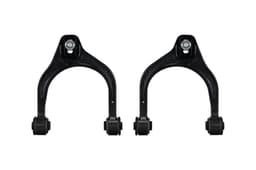
If you suspect your control arm ball joint is worn, read more about control arms . If you suspect your tie rod ball joint is worn, read more about tie rods .