Buyer's Guide: Strut Brace
5 min read
RideBuilder
Strut Brace Buyer's Guide
When a vehicle corners, brakes, or accelerates hard, significant forces are transferred through the suspension into the chassis at the strut tower mounting points. On most production vehicles, these mounting points operate independently, allowing a degree of chassis flex that can reduce steering precision and suspension consistency.
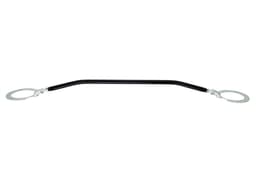
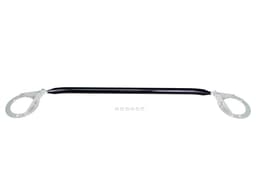
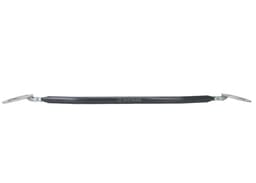
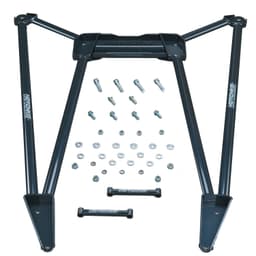
A strut brace - also called a strut tower brace or strut bar - connects the left and right strut towers with a rigid bar to reduce chassis flex and improve rigidity. The result is more predictable handling, sharper steering response, and a more connected driving feel. This guide covers everything you need to know to choose the right strut brace for your vehicle.

How Does a Strut Brace Work?
A strut brace is a rigid metal bar that bridges the gap between the two suspension mounting points on the left and right sides of the vehicle. Its purpose is to resist the flexing and twisting of the chassis during cornering, hard braking, and acceleration due to uneven applied forces.
Without a strut brace, the chassis absorbs this stress by flexing slightly, a phenomenon known as chassis flex. While modern vehicles are engineered to safely tolerate this flex, it introduces inconsistency in suspension geometry and handling response.