
Buyer's Guide: Thermostats
3 min read
RideBuilder
Thermostat Buyer's Guide
The thermostat regulates engine temperature by controlling how much coolant flows to the radiator. This guide covers how thermostats work, the signs of a failing one, and how to choose the right one for your vehicle.
How Thermostats Work
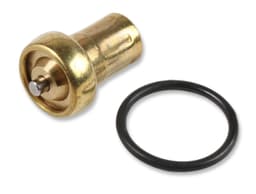
The thermostat is a temperature-controlled valve that remains closed when the engine is cold, keeping coolant circulating inside the block so the engine warms up quickly. As the engine reaches operating temperature, typically around 180 to 195°F depending on the vehicle, the thermostat opens, allowing hot coolant to flow through the radiator and shed heat.
The thermostat sits somewhere between fully open and fully closed, constantly adjusting its position based on coolant temperature to hold the engine at its ideal temperature range. Thermostats are critical components that regulate engine temperature, ensuring smooth engine operation.
What a Thermostat Doesn't Do
The thermostat determines the temperature at which cooling begins, not how well it cools. The latter is up to your radiator, fans, and water pump. It cannot make your engine run cooler than your radiator, fans, and water pump are capable of cooling it.